


How to Use a Spill Kit for Oil?
Introduction
If you work with bulk liquids, whether in agriculture, manufacturing, construction, or even rainwater storage, chances are you have come across an IBC. They are everywhere. Yet surprisingly, many people still ask two simple questions: What does IBC stand for? And just as importantly, why does it need cleaning so often?
IBCs are incredibly practical containers. But like any storage system, they demand proper care. Cleaning is not just about appearance, but it is also about safety, compliance, product integrity, and long-term cost savings.
What Does IBC Stand For?
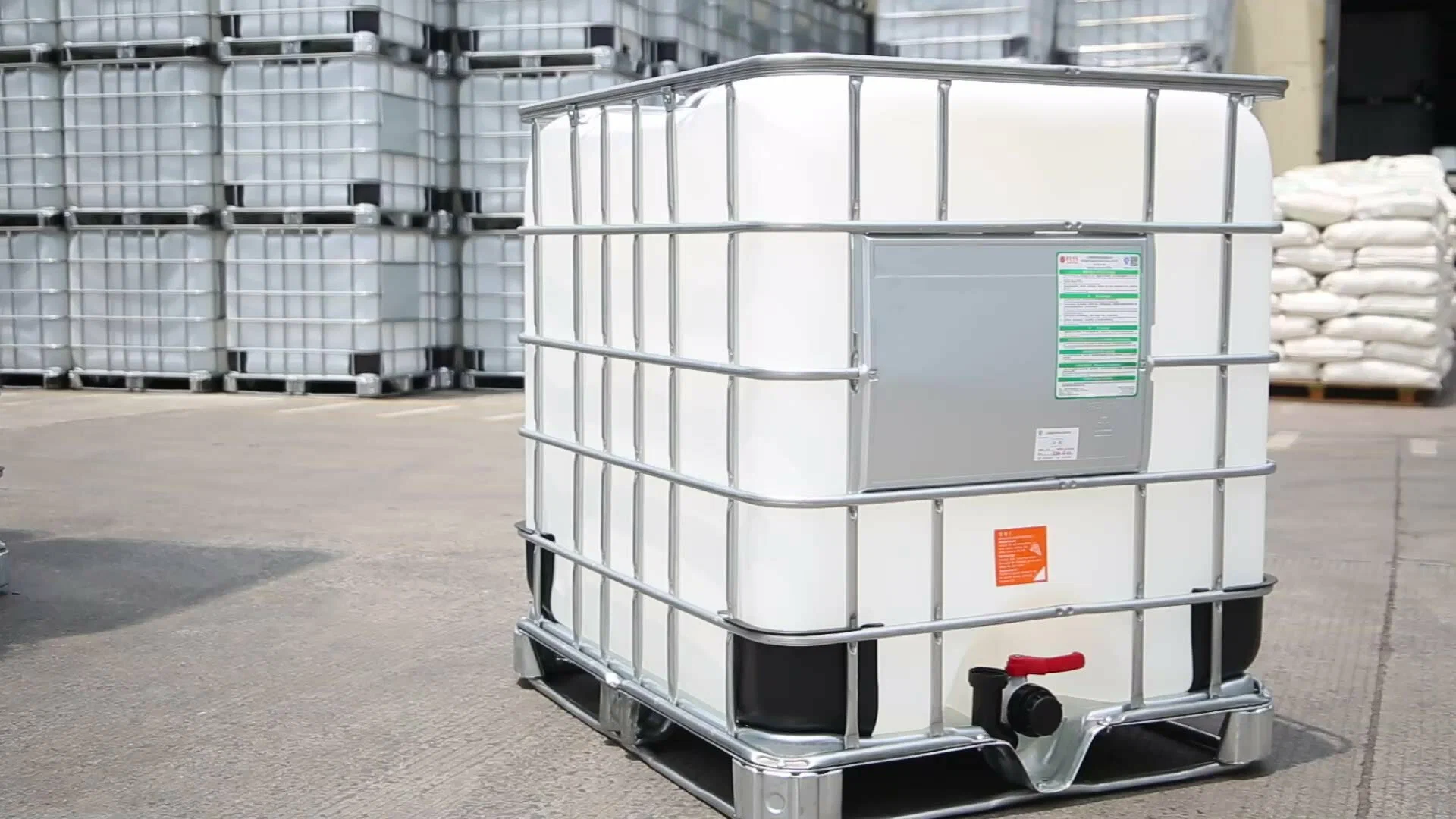
IBC stands for Intermediate Bulk Container. It is a reusable industrial container designed to store and transport liquids and semi-liquids in bulk. You will often hear them referred to as:
- IBC totes
- IBC tanks
- Bulk liquid containers
An IBC typically consists of:
- A metal cage for structural support
- A pallet base (plastic, metal, or composite)
- A high-density polyethylene (HDPE) inner tank
- A bottom outlet valve for controlled dispensing
- Sometimes a bund or spill containment tray underneath
They are commonly used to store:
- Oils
- Water
- Chemicals
- Cleaning Solutions
- Food-Grade Liquids
- Agricultural Products
Because they are designed for repeated use, proper cleaning and maintenance are essential, not optional.
What Is IBC Cleaning?
IBC cleaning is the process of thoroughly removing residues, contaminants, and buildup from an Intermediate Bulk Container to ensure it is safe for reuse.
IBC cleaning may involve:
- Internal tank washing
- Valve & outlet cleaning
- Bund or spill tray cleaning
- External cage & frame cleaning
- Drying & inspection before reuse
In industrial environments, IBC cleaning often follows strict safety and environmental procedures, particularly when hazardous or chemical substances have been stored. In simple terms, IBC cleaning ensures that whatever you put in next is not contaminated by what was previously stored.
Why IBC Cleaning Is So Important?
You should never underestimate the importance of maintaining clean IBC containers. Proper cleaning directly affects:
Product Quality & Contamination Prevention
Residual chemicals, oils, or organic materials left inside an IBC can:
- Cause spoilage
- Create safety hazards
- Alter product composition
- React with new substances
For food, pharmaceuticals, or sensitive chemicals, even minor contamination can be costly.
Health & Safety
If an IBC previously stored hazardous materials, residues can:
- Produce harmful fumes
- Create chemical reactions
- Pose skin or respiratory risks
Regular cleaning protects workers and reduces workplace hazards.
Regulatory Compliance
Many industries operate under strict environmental and safety regulations. Proper cleaning helps you:
- Maintain documentation for inspections
- Meet environmental protection standards
- Prevent accidental leaks or contamination
Failure to maintain containers can lead to fines or operational disruptions.
Longer Container Lifespan
Neglecting maintenance leads to:
- Structural wear
- Valve blockages
- Degradation of seals
- Internal corrosion (in metal components)
Cleaning and inspection extend the usable life and reduce replacement costs.
Common Types of Contamination in IBCs
Understanding what builds up inside IBCs helps you clean them effectively.
Internal Contamination
Even small residues inside the IBCs can cause cross-contamination, such as:
- Oil and grease films
- Sediment and sludge
- Chemical residue from previous contents
- Bacterial or algae growth (especially with water storage)
External Contamination
External cleaning is equally important, especially on industrial sites where spills are possible.
- Weather damage
- Chemical splashes
- Leaks around valves
- Dust & dirt accumulation
How to Clean an IBC Container?
Preparation & Safety
Before starting the cleaning process, the container must be completely emptied and assessed to determine what substance was previously stored inside. Identifying the prior contents is essential because certain residues require specific cleaning agents and safety precautions. Appropriate personal protective equipment, such as gloves, goggles, and respiratory protection, should be worn depending on the level of risk. Proper ventilation is also important, particularly if chemical vapours may be present. Preparing the workspace and ensuring safe handling reduces the risk of exposure and contamination during cleaning.
Initial Rinse
The first stage of cleaning involves thoroughly rinsing the container interior with clean water. This helps remove loose debris, surface residues, and remaining liquid deposits. An initial rinse prevents the buildup of residual chemicals during deeper cleaning and improves washing efficiency. It also allows you to visually inspect problem areas where build-up may be more severe.
Washing with Cleaning Agents
After the initial rinse, an appropriate cleaning solution should be used based on the type of residue present. Mild detergents are generally sufficient for water-based products, while oil-based or chemical residues may require specialised industrial cleaning agents. It is important to avoid incompatible substances that could react with residual material in the tank. In industrial environments, pressure washing systems are often used to ensure thorough internal coverage and effective removal of stubborn deposits.
Valve & Outlet Cleaning
The discharge valve and outlet system are critical components that require detailed attention during cleaning. Residue often accumulates in these areas because liquids pass through them regularly. The valve should be removed, cleaned separately, and inspected for wear or damage. Seals and gaskets must be inspected and replaced as needed to prevent leaks. Ignoring the valve assembly can compromise the cleanliness of the entire container.
Rinse and Dry
Once the cleaning agent has been applied and residues removed, the container must be rinsed thoroughly multiple times to eliminate any remaining detergent or chemical traces. After rinsing, the tank should be allowed to dry completely before reuse. Proper drying prevents moisture retention, which can encourage bacterial growth or contamination. A final inspection ensures that no odours, residues, or visible contamination remain inside the container.
Cleaning an IBC Bund
An IBC bund is designed to collect spills or leaks from the main container, making it an important safety feature. However, over time, liquids, chemicals, debris, and even rainwater can accumulate inside the bund. If left uncleaned, this build-up can reduce its effectiveness and create environmental risks.
To clean a bund properly, the IBC must first be removed safely. Any collected liquid should be drained and disposed of in accordance with applicable environmental regulations. The bund surface should then be scrubbed to remove residue, followed by thorough rinsing. After cleaning, the bund should be dried and inspected for cracks, structural damage, or weakened areas. Regular bund maintenance ensures continued spill protection and compliance with environmental safety standards.
Industrial vs Private IBC Cleaning
IBC cleaning requirements vary significantly depending on the usage environment. In industrial settings, cleaning often involves automated systems, high-pressure washing equipment, steam cleaning, and strict wastewater management procedures. These processes are typically documented to meet regulatory standards, especially when hazardous substances have been stored. Professional cleaning services are frequently used to ensure compliance, safety, and proper disposal of contaminated water or residues.
In contrast, private or light-use cleaning, such as rainwater storage, is generally less complex but still important. Regular inspection, algae removal, and thorough rinsing help maintain water quality and extend the container’s lifespan. Even when hazardous materials are not involved, neglecting routine cleaning can lead to contamination, unpleasant odours, and reduced durability. Regardless of the setting, maintaining cleanliness ensures the container is safe and efficient to reuse.
Even for home use, skipping cleaning can reduce water quality and container lifespan.
When Should You Use Professional IBC Cleaning Services?
Professionals use specialised systems to ensure safe and compliant cleaning. You should consider professional cleaning when:
- Internal contamination is severe
- Regulatory documentation is required
- The container stored hazardous chemicals
- You plan to repurpose the container for food-grade or sensitive use
Final Words
IBC containers are practical, durable, and cost-effective, but only if they are maintained properly. Cleaning is not just a routine task; it is a safeguard for safety, product quality, and environmental responsibility.
If you are reusing an IBC, switching contents, or operating in a regulated industry, regular inspections and proper cleaning should be part of your standard operating procedure. A well-maintained IBC lasts longer, performs better, and protects both people and the materials stored inside.




 Home
Home  Shop
Shop  Cart
Cart  Checkout
  Account